
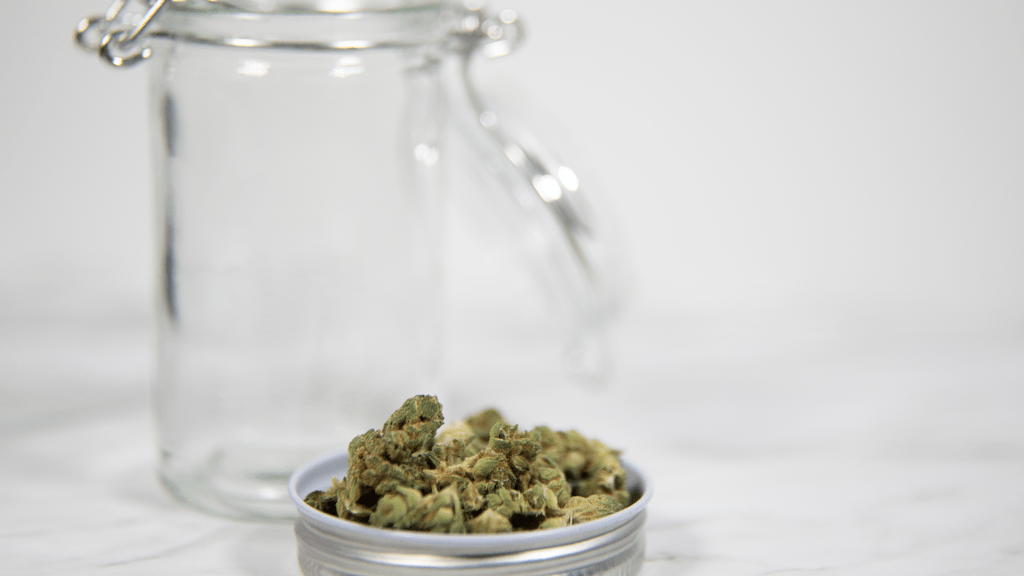
Naples has a medical-cannabis patient base like the rest of Florida—but if someone expects to see a storefront dispensary on Tamiami Trail or near Fifth Avenue South, they run into a simple local reality: the City of Naples chose to prohibit marijuana sales and dispensing within city limits through its code changes during the early rollout of Florida’s medical-marijuana era. In 2014, the city advanced a text amendment that defined medical marijuana uses and then strictly prohibited the growth, sale, or dispensation of marijuana (including medical marijuana), along with “medical marijuana dispensaries” and “medical marijuana treatment centers,” within Naples.
That local decision is also backed by state law. Florida’s medical marijuana statute (F.S. 381.986) explicitly gives counties and municipalities the option to ban medical marijuana treatment center dispensing facilities within their boundaries by ordinance. In other words, Naples isn’t exploiting a loophole—it’s using a permission the legislature wrote into the program.
Why would Naples opt out?
From the city’s point of view, the “why” usually comes down to the kind of tradeoffs local governments wrestle with when a new regulated business category shows up:
- Community character and land-use control. Naples is small, built around defined commercial corridors, neighborhoods, and a high-value visitor economy. Allowing dispensaries often triggers debates about where they can go, what buffers apply, and how they fit near schools, churches, and residential areas.
- A cautious posture from the early medical-marijuana days. The 2014 materials show Naples considered alternatives (from prohibition to limited conditional-use approaches) but ultimately moved toward prohibition language citywide.
- Local politics and public comfort. Even in Florida, where medical marijuana is constitutional, local meetings can be shaped by residents who prefer a conservative approach to storefront cannabis.
Naples’ stance also matches a broader pattern in Collier County. In 2023, Collier County commissioners moved to ban dispensary facilities in unincorporated areas as well, meaning access often shifts to delivery or to dispensaries outside the immediate area.
Will Naples ever allow dispensaries?
Yes—but it would take an affirmative policy choice.
Because the ban is local, the most direct pathway is straightforward: Naples City Council could amend its code to allow dispensaries, typically through zoning rules (permitted districts, conditional-use approvals, distance buffers, operating standards). Florida law also says that if a city does allow dispensaries, it generally can’t regulate them more restrictively than pharmacies on certain location/permitting dimensions (with specific exceptions). That constraint matters: it can make “allow it, but keep it extremely limited” harder than some residents expect.
The second pathway is outside Naples’ control: state law could change. If the legislature removed or narrowed the opt-out authority, cities like Naples would have less ability to keep dispensaries out. (Right now, the opt-out power is clearly written into statute.)
What about adult-use legalization? Florida voters rejected a major adult-use proposal in November 2024 after it failed to reach the 60% threshold. Even if adult use passes in a future election, local governments typically still influence where retail can operate, unless a new constitutional or statutory framework overrides local bans.
So the realistic outlook is this: Naples could allow dispensaries someday, but it’s most likely to happen only when local leadership decides that regulated storefront access (plus tax and commercial activity) outweighs community concerns—and when a workable zoning map is on the table that keeps locations predictable and politically acceptable.
Related read: Goldflower Cannabis opening up new location in Bonita Springs.